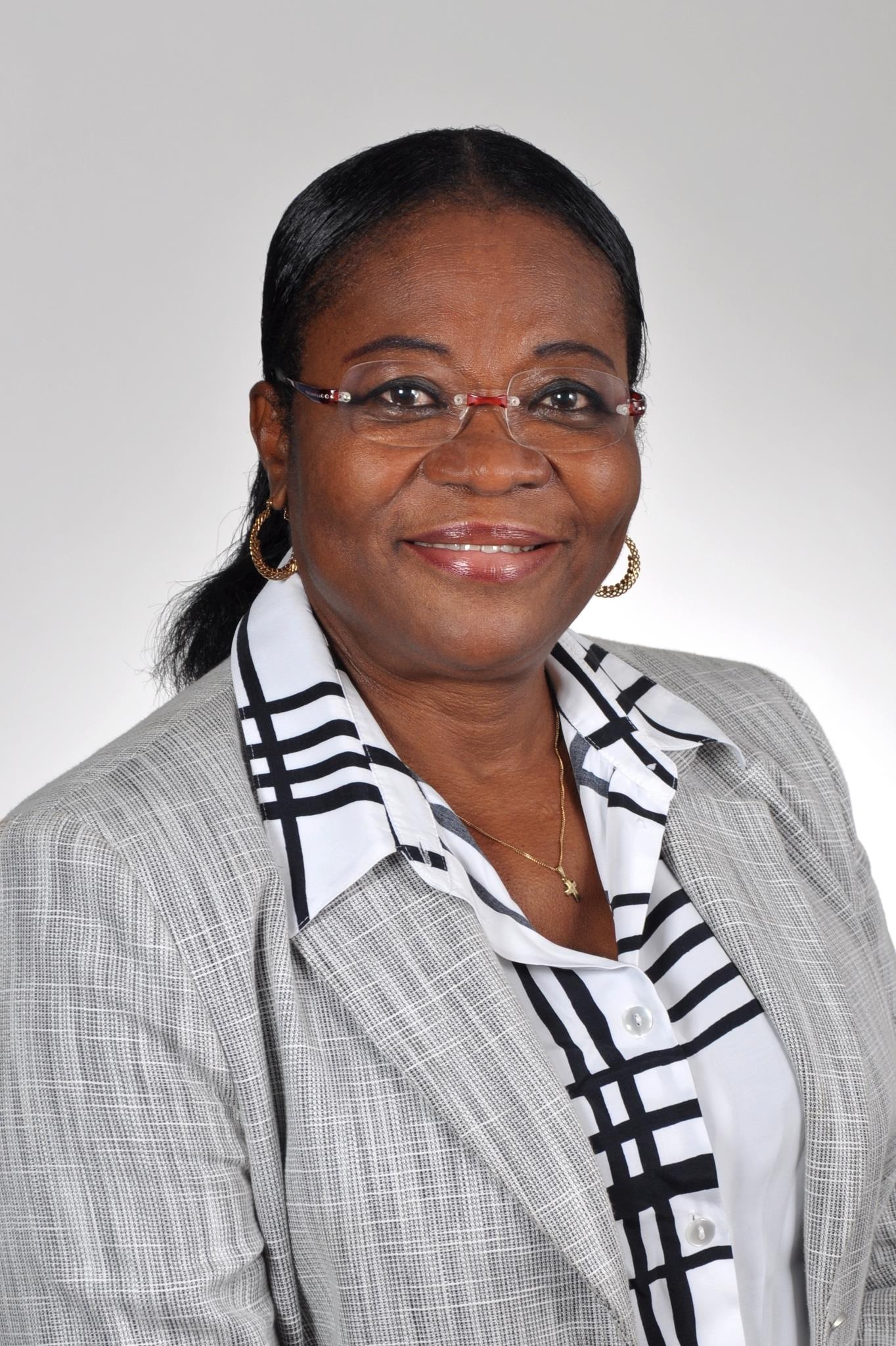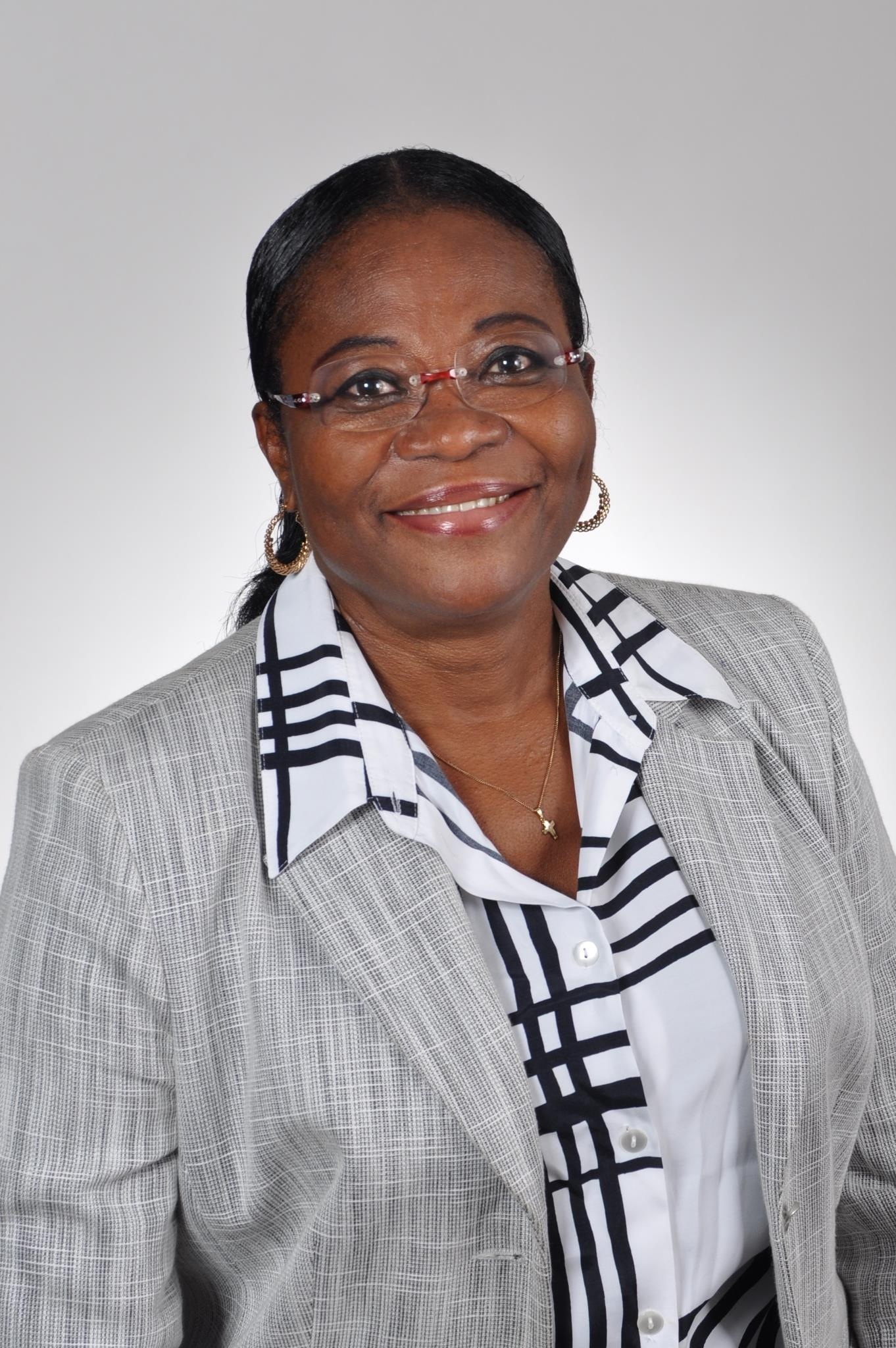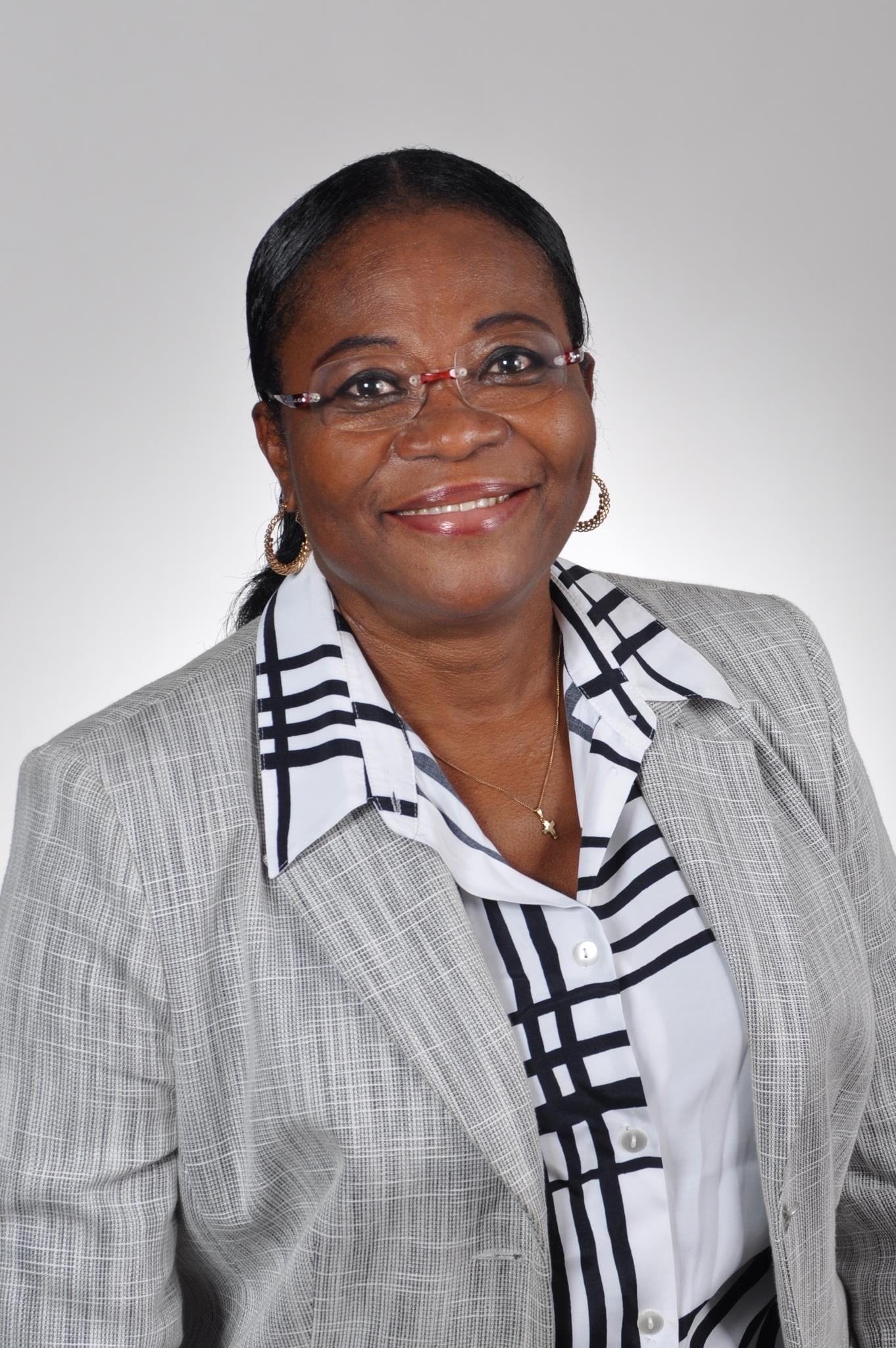
How can journalism be relegated to non-professionals?

Profile Picture Beatrice Groth

News is meant to educate, inform and entertain audience from different works of life, about activities happening around them, both locally and internationally. Therefore, culture of news in a diverse society is an instrument of creation of awareness in; education, business, medison, pharmacology, fashion, religion, sports, cultural diversity and so forth. But contrary to the importance of the media in our societies, In his book The News, Alan De Botton argued that, ‘a flourishing life requires a capacity to recognize the times when the news no longer has anything original or important – we must leave the business of – creating – to others…’ (Botton, A. 2014, p. 255).

However, to relegate news production to people of other professions, to report their own news, disregarding the professional status of journalists, arguably could be regarded as an “understatement and ignorance.” In his book “Utopia” , Sir Thomas More’s argued that, ‘…having heard of many things among us which you have not been able to consider well – then I will show how much your ignorance of our affairs has misled you…’ (More, T. 1615).  http://oregonstate.edu/instruct/phl302/texts/more/utopia-I.html.

Finally, the primary concern of news is misconstrued to be commoditised in some quarters. But, though journalists deserve to earn a living, the primary interest of the journalist is to provide the society with quality information about activities around them which can only be objectively done by trained journalists.

Posted in Beatricegroth@facebook.com, Beaty Groths Social World, Online Journalism blog, Uncategorized | Tagged , , | Leave a comment

The role of journalism in a diverse society

Profile Picture  Beatrice Groth

Journalism’s original responsibility is to protect the rights and interests of the society, acting as informant of the people, and to expose the ruling powers in areas of dereliction of duties.

Journalists operate in diverse socio cultural societies with differences in religion, culture, ethnicity, age, gender, language and so forth. Milica Pesic, the Executive Director of Media Diversity, in her lecture to the UEL students, argued that, ‘journalism has a strong and important role to play in tackling stereotypes and misinformation about ethnicity and religion by reporting in a professional manner’.

However, there are tendencies that good stories to the journalist, might lead to sensitivity, which could explode out of proportion and result to serious damages. A recent outrage about a publication in Europe, concerning  a religious body, is arguably one of such examples. In his book Journalism and Society, Danis McQuail argued that, ‘there will always be some pressure to suppress information on grounds of potential harm and the acceptance of liability would be a path towards self-censorship, since truth is not always a sufficient defence’ (McQuail, D. 2013, p. 82).

Furthermore, by Milica’s advice, journalists on editorial pressure for news stories and deadline anxieties would need to seek approval before embarking on publication of stories that are deemed, “case sensitive.”  In his book, Print Journalism: a critical introduction, Richard Keeble argued that, ‘journalists in the various sectors face very different ethical challenges – in other words, beyond the dominant consensus over news values in mainstream print publications lies an extraordinarily diverse and complex range of approaches across a number of sectors’ (Keeble, R. 2005, pp. 268-269).

Finally, journalists don’t makeup stories; they report issues as they happen, and with the zeal to convey information to the general public. Hence the press should not be attacked or reprimanded for doing their jobs.

Posted in Beatricegroth@facebook.com, Beaty Groths Social World, Online Journalism blog, Uncategorized | Tagged , , | Leave a comment

The Public Service Broadcasting waxes stronger

2014-04-08 10.41.50 Beatrice Groth

Before the 20th century, broadcasting was relegated, only to the Public Service broadcasting institutions worldwide. The BBC, UK’s premier Public Service Broadcaster, was funded by the tax payers. The BBC is known for providing quality radio, television news and programmes to audience, not only in Britain, but worldwide. Denis McQuail in Journalism and Society, argued that, ‘public service broadcasting, as in various countries, is still the most prominent example of the deliberate application of social responsibility theory to mass media, including journalism’ (McQuail, D. 2013, p. 44).

In a recent lecture Barnie Chouldhury, a former BBC reporter and currently, the interim Director of Communications and Marketing at the University of East London UEL, spoke about ‘the strength of the public service broadcasting.’ The BBC is UK’s public service broadcasting company, with its sister channels; BBC Channels four and five, the ITV and so forth. According to Barnie, the BBC is independent, does not receive instruction from the government and that political parties may seek political coverage during elections in BBC’s terms. TV license is a major source of income for the BBC, with 78% of viewers in 2012, while channels five had 39% and much lower for other channels.

However, the BBC is controlled and regulated by Ofcom, to ensure programming without bias. Martin Conboy, in his book Journalism in Britain, argued that, ‘regulation is a very British, compromise solution to providing an element of balance in the control of journalism, (Conboy, M. 2010, p. 43).

In conclusion, Barnies lecture, gave students  a broader knowledge of how the BBC as a public service broadcasting organization works. The Parliament decreed that, programmes like; the Olympics, World Cups and Wimbledon Tennis games must be freely transmitted. 


Posted in Beatricegroth@facebook.com, Beaty Groths Social World, Online Journalism blog, Uncategorized | Tagged , , | Leave a comment

News standards should not hinder, but enhance good journalism.

Profile Picture Beatrice Groth

Journalism, the medium of information gathering and distribution serves as the link between the people and the government. It enjoys the autonomy of the fourth estate, which is the governing body of journalism, responsible for the guiding principles on which journalism must be practiced. The basic principle of journalism is “truth” in which other principles are embedded. Freedom of the press is one of the principles, which allows journalists to carry out their duties freely and effectively. Denis McQuail in his book Journalism and Society, argued that, ‘a free press would be expected to expose the deeds of autocratic governments, hold them to account for misuse of power and give a truthful account of the conditions of the people’ (McQuail, D. 2013).  

Recently, Bill Coles, former correspondence of The Sun New York, and a host of British tabloid newspapers, lectured at the University of East London UEL, on the issue of Control Over Journalists. Bill, in effect does not believe in the press control. He emphasized on the fact that journalists should be allowed to do whatever it takes to get the news, in that way, members of the public would be well represented.

Furthermore, there have been long time debates and grumbles about the control of journalists and how journalism should work some journalists and owners of newspapers believe that journalism is a commercial and profit oriented commodity, hence it should not be policed. Moreover, these acts of control, are regarded, in Chris Frost’s book “Media Ethics and Self-Regulation” as, ‘The Obscene Publications Acts 1959 and 1964, Race Relations Act 1976, Broadcasting Acts 1990 and 1996, – Law of Libel Amendment Act 1988 are just some of the laws which limit what may be published or broadcasted in an attempt to avoid causing offence’ (Frost, C. 2000, p. 44).

However, freedom should not undermine balance, and without minding the rhetorics of uncomfortable situations, coursed by the checks and balances attached to journalism, the truth still remains that journalism without control, could lead to irreparable damages, both to the members of the public and journalists themselves. Peter Burden in his book, “News of The World? Fake Shake & Royal Trappings” argued that, ‘… on a Murdoch paper the needs of the bottom line are generally expected to out-trump journalistic integrity’ (Burden, P. 2008, p. 19).

 Finally, Bill’s lecture was very educational. Students learnt how to source news, how to deal with the squeeze of Red Top news executives, he called “mad masters,” if chosen to work as a Red Top reporter.


Posted in Beatricegroth@facebook.com, Beaty Groths Social World, Online Journalism blog, Uncategorized | Tagged , , | Leave a comment

The roles of the NGOs in news production

Profile Picture Beatrice Groth

The Non Governmental Organization, NGO is commonly known as the charity sector. From local to international levels, they are responsible for caring for the needy, and less privileged in our societies. Also in the culture of support, are the “Greenpeace”, “Friends of the Earth” who care for our environments. (Arena, D., Lazono, J. M. And Albareda, L. 2009) cited in Baur, D. (2011, p. 4) NGOs as Legitimate Partner of Corporation; argued that, ‘the strong normative focus also becomes evident in the self perception of NGOs as agents of social transformation – and – in general NGOs focus on issues that they think deserve advocacy.’

However, the roles of the NGO in news gathering for the media could sound awkward, knowing what charity organizations are originally meant for. But some NGOs, like the Redcross and UNICEF to mention but a few, have quicker and perhaps easier access to disaster and war areas, where journalists may not reach.  According to Henry Makiwa, Senior Media relations Officer, for the British Red Cross, who moved from journalism to public relations, at his recent visit to the University of East London (UEL), gave an insight on how financial upheavals decades ago, forced journalists to loose their jobs. Since then, some media organizations depended more on the NGOs press officers for news stories. 

Thereafter, he advised students of journalism to specialize in subjects of interest; in film, video, photography or news writing, resisting the tendencies of being “jack of all trades and masters of none”, to enable easier access to employment elsewhere.  Makiwa continued, ‘NGOs are key to societal shared values.’ some charities are inclined to religious support, but the Redcross is funded by the public and it a non-religious organization.

Finally, it was interesting to learn that the charitable organizations are possible avenues for employment for journalists. At a time of joblessness within the media industries, some students were getting jittery, about what to do after graduation, but Henry Makiwa succeeded in lighting a candle in what seemed like a journey in the dark tunnel.  


Posted in Beatricegroth@facebook.com, Beaty Groths Social World, Online Journalism blog, Uncategorized | Tagged , , | Leave a comment

Will the western journalists ever report Africa without bias?

Profile Picture  Beatrice Groth

The question of, if, developing nations and indeed Africa, will ever be reported unbiased by the western journalists, is mind numbing. It leads to another question about what happens to all the western trainings about good journalism and ethical standards. (Starkey, G. 2007) argued that, ‘balance is the absence of bias and bias is the absence of balance – presenting a balance account would normally require impartiality, or at least adopting an objective, rather than a subjective position and remaining true to it.’ 

However, the preconception about happenings in Africa or other less developed nations, as “less important”, to their Western counterparts, is overdue for a change and worth looking into. Avoiding the risk of generalizing, a British born and former journalist with the BBC, Lara Pawson in her book, “In the Name of the People – Angola’s forgotten massacre”, gave a mind blowing account of the evils of the Fascist government of the Portugues slave masters, and the socialist government of the Movimento Popular de Libertacao de Angola (MPLA) People’s Movement for the Liberation of Angola. However, unlike many foreign journalists, Lara was more concerned about being different, sticking to truth, as she reported and wrote about Angolan war, without bias.

‘I feel all of a sudden rather alone – I am worried about how my research will be received by my friends and the political left. Several have already voiced their concerns, warning me not to play into the hands of the right – the implication being that any attempt to disrupt the established narrative on the vinte e set will do precisely that. I feel torn between the search for truth and my political beliefs, which I’m beginning to think, in itself, rather a luxury’ (Pawson, L. 2014).

In a lecture to the university of East London (UEL) students recently, Lara, who had worked and travelled round Africa, considered other British journalists who were sent to Angola before her, as people with “intentional blindness”. In other words, those who opted to describe what will suit the authority they work for, and or the government of their state, rather than sticking to the path of honourable journalism.

Finally, Lara’s lecture was encouraging, informing student journalists to desist from the journalism of attachment, follow the way of truth and report without prejudice.

Posted in Beatricegroth@facebook.com, Beaty Groths Social World, Online Journalism blog | Tagged , , | Leave a comment

Synagogue Church Of All Nations (SCOAN) Building Collapse: By Beatrice Groth.

Update: Prophet TB Joshua of SCOAN, has this morning unvailed a CCTV video of an unknown Aircraft which hoovered low above the collapsed building, four times before the building collapse. Terror attack is suspected.
IMG_1951.GIF

The News about SCOAN building collapse, on the 30th instant, was shocking and breath taken. I must say. My sympathy to the families of the dead, and quick recovery to the wounded.

The Synagogue of all Nations, has become a household ministry worldwide. Prophet TB Joshua, known for his humility and total commitment to the services of God, has also become brother, father and a great friend to millions of helpless vulnerable children and adults worldwide.

The accident which happened, may have been as a result of architectural failure. It is too soon to blame a man whose efforts is fishing people into the Kingdom of God (light), and out of darkness (the devil). Accidents happen during Pilgrimages and search for true relationships with our Creator. The move of God, neither changed nor depreciates because of unfriendly incidents.
Practical Christianity is what people are searching for. Some were not convinced enough to believe in God until their meetings with Prophet Joshua in SCOAN or online through the Emmanuel TV.

History reveals that Churches worldwide have been attacked by lightning, terrorists, and the like? Most had rebuilt and moved on. True believers are warned, that trials will come. Acts 14:22, but that steadfastness will lead into the Kingdom of God and freedom.

The messages of TBJ is against the principles of many, who will not see reasons to live right. Love one another, and care for the less privileged. TB Joshua is concerned about jobs for the jobless graduates, support for the abandoned adults. He cares for widows and children worldwide.

Whatever money his ministry makes, doesn’t affect his attitude and service to God. He hasn’t bought any private jets, nor does he drive expensive jeeps. Fellow ministers somewhere else aren’t like him. Like the Jews, Nigerians seem to underrate the goodness of God upon their nation. They seem to have gotten used to evil rules, punishment and control. Rejecting the Moses of these times.

Some Pastors worldwide have become demigods. Rich oil countries, have nothing to offer their citizens. Crime has become the order of the day. A change of attitude towards one another is necessary, to change the ways Africans live.

Prophet TB Joshua, was raised by a single mum of poor Christian background. His faith and total commitment to The Lord Jesus Christ, brought him this far. His activities since the age of seventeen till date is published online. And I still cannot understand why people allow themselves to be pushed or deceived against an innocent Man of God.

Posted in Uncategorized | Tagged , | 2 Comments

How useful is UEL’s Electronic Card Reader?

UEL Electronic Attendace Swiping

By Beatrice Groth

The students of the University of East London (UEL) are on constant check through the little plastic student’s identity card, produced to electronically monitor the attendance and movement of students within the university’s premises, in all its Campuses.

According to many module guides, ’the university requires – a minimum 75% of all class sessions throughout the semester – this requirement enables the university to fulfil the regulations of the HESA, the Home Office and SLC/LEA.’

The British government, UK Students Finance Company, and other financial institutions of the United Kingdom and Europe are no doubt investing lots of money into the lives of students, aiming for productive and progressive oriented society. Utilizing the potentials of this good gesture will definitely do the students, the governments and the society in general, lots of good.

Attendance policy, demands that students must swipe their cards, 15 minutes before or after the stipulated time of lectures, seminars and workshops. Those who do not comply are marked absent, and if students miss three sessions in a row without a justifiable reason such as ill health they would be withdrawn from the course. Despite these strict attendance policies, some students still come to class late and feeling cool about their habit.

What about the students, who seem to be totally absent, but have their friends swipe cards for them? How are they checked and how do they cope with catching up with lectures and the other module content? Knowing that withdrawal becomes automatic even when there is evidence of valid absence, students ought to develop a sense of commitment to achieving success in their endeavours.

However, it is expected that all university students are matured enough to know why they enrolled for further education, and if it is to enhance a better life’s style, and ability to manage one’s future positively, then, it becomes a matter of choice. Hence students need to be more responsible for their academic excellence, to avoid derailment in their plans for better life.

 The adage that says, “show me your friends, and I will tell you who you are” is probably one of the reasons some students lag behind, and don’t keep to the rules. That is not to say that everyone is the same. There is however a majority of students who are dedicated to their studies, and they strive to keep to the rules of the institute.

UEL is equipped with determined and well-qualified lecturers and staffs, who collectively produce highly qualified students yearly, with educational excellence in various disciplines and for various careers in the business world. Inability of some students to benefit from this opportunity is regrettable and unfortunate.

In conclusion, UEL’s attendance policy should be seen in a good light, as a tool for encouragement. Determination is the key to success, and the UEL identity card, should be seen as the instrument which starts the engine of success.


Posted in Online Journalism blog, Uncategorized | Tagged , , , , , , , | Leave a comment

Meet Evening Standard vendor whose ‘manners’ bring relief to weary commuters at Stratford station

Mark, Evening Standard Vendor

By Beatrice Groth

Mark, the Evening Standard’s vendor, says ‘it’s all about manners’. As he settles down for an interview with me, he adds: ‘My mum thought me that good manners cost nothing.’ Mark, whose friendly and warm voice echoes through Stratford International Station, welcomes all Docklands Light Railway (DLR) commuters to the station in east London, saying, ‘free Standard, thank you and have a good day.’ Passers-by drift, almost trance-like, towards Mark’s newspaper stand. He is busy greeting those he is acquainted with, as well thanking everyone who picks up a copy of the London Evening Standard.

In an exclusive interview, Mark revealed his Irish Jamaican origin: ‘I am 54, Irish Jamaican, born in London, me dad is Jamaican and me mum is Irish,’ he explained with a faint Irish accent. Mark started his career working as a vendor in Ridley Road Market in east London.. That is where he met many friends and people from various racial and cultural backgrounds. There is hardly anyone who passed by without saying hallo to Mark. Some ask him for direction to their destinations.

Mark talked about his achievements since he began distributing the Evening Standard a few months before the Olympics games in 2012. The interests of the local people, who have remained in the area after the game, must be considered, he said. That was the reason they set up three newsstands in Stratford Shopping Complex, Stratford Station and the Westfield Shopping Centre. According to Mark, he and his colleagues give out about 15,000 copies of the newspaper daily. How do the publishers of the newspaper make profit as the paper does not have a cover price, I asked? While saying that only the publishers can answer the question, he suggested that they make their money through advertisements published in the newspaper.

Stratford Station (2)

For many passers-by and visitors to Stratford International Station, Mark’s friendly disposition and multicultural heritage are the most visible demonstration of east London’s cultural diversity and warmth. For mark himself, he is simply doing what he does best and contributing to the socio-cultural and economic development of post-Olympic Stratford: ‘This is what I know how to do best, and this is all I’m going to do for the rest of me life,’ Mark concluded.


Posted in Online Journalism blog | Tagged , , , , , , , , | 1 Comment