
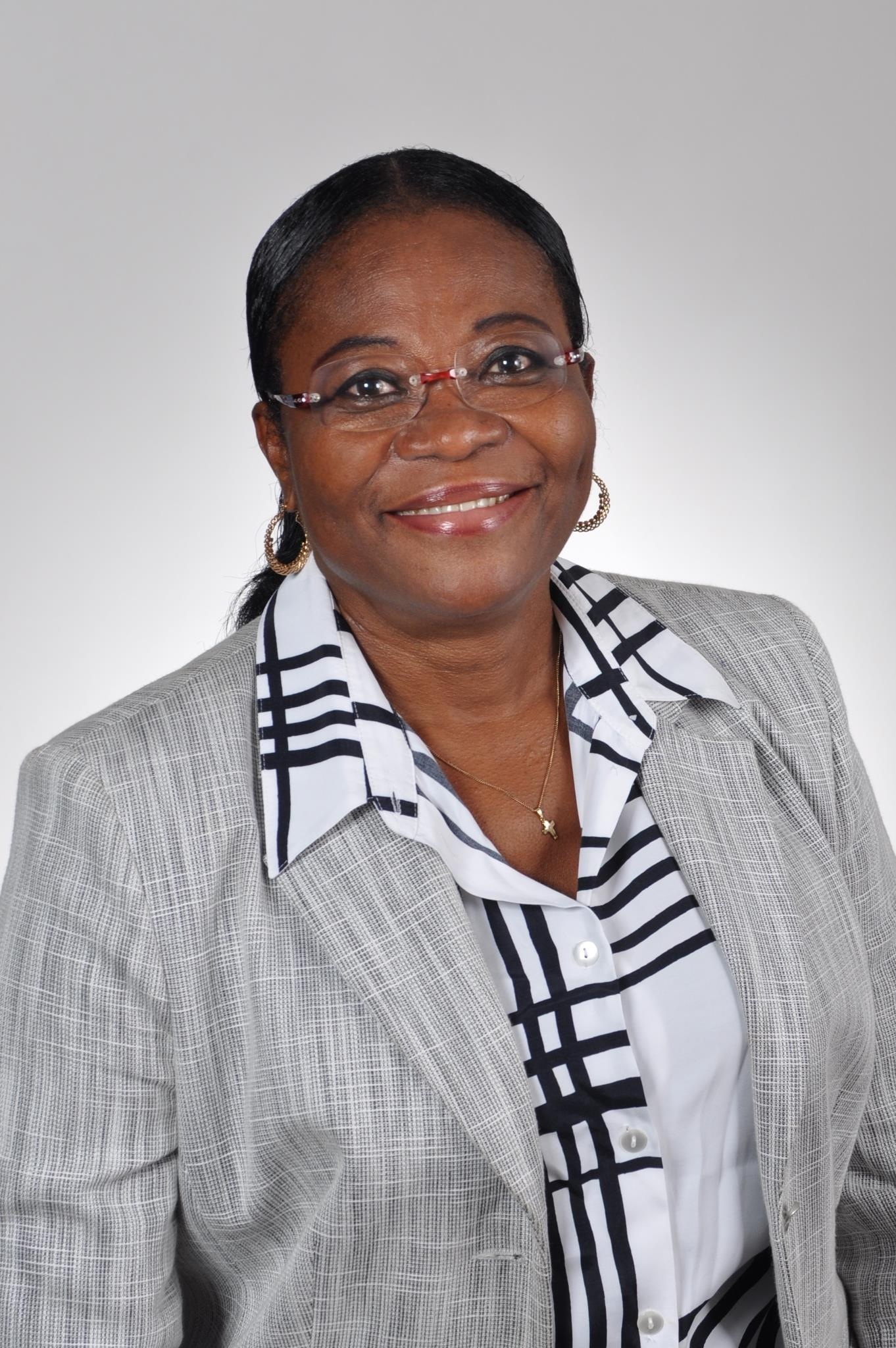
 Beatrice Groth
News, the medium of information gathering and distribution, has come a long way, from the 1800 Penny Press, to today’s tabloid newspaper culture and online journalism. The constant evolution of newspapers, have changed how stories and gossips are told and consumed by members of the public. “… news – scrawled onto clay tablets – in Ceacer’s age Romans read newsletters handwritten by slaves” (Tim Harrow 2010, p. 8).
‘News on The Move III – how to make journalism work on mobile on mobile’ was like a puzzle, and led to the question, when was news never on the move? Of course it has been, what is different today arguably, is the mode of movement, which has evolved from using bicycles and trains to distribute newspapers, to distribution through tablets and online. This has led to faster and wider audience reach. (Curran and Seaton 2010, p. 253) argued that, ‘…the rise of grassroots networks in the early 1980s coincided with the emergence of commercial online services, and a sustained growth of business networks and these were to prove a most significant development in the long run.’
News UK at its News Building in London, recently, hosted News on The Move III event, on ‘how to make journalism work on mobile’ was like a puzzle, and led to the question, when was news never on the move? Of course it has been, what is different today arguably, is the mode of movement, which has evolved from using bicycles and trains to distribute newspapers, to distribution through tablets and online. This has led to faster and wider audience reach. (Curran and Seaton, 2010, p. 253) argued that, ‘… the rise of grassroots networks in the early 1980s coincided with the emergence of commercial online services, and a sustained growth of business networks – and these were to prove a most significant development in the long run.’
The importance of news on the move, as it is in this internet era, and our everyday activities and lifestyle, cannot be over emphasized. News plays a great role in nation building; job creation, creativity, fashion, health and medical services, and so forth. If news didn’t move society would collapse. Darcey (2014), in his opening speech at the News on the Move III event, said, ‘we need to remind people what makes us special. Remind them how our journalism makes a positive impact. And remind them what would be lost if we were not around.’
In conclusion, News on The Move III event, was an eye opener to how far the net has altered the old ways of managing things in journalism. One of the speakers at the event, Martin Ashplant, the Director of Digital and Social Media at City AM, formerly head of digital at Metro online, informed the audience that Metro had evolved from desktop to desktop focused, into optimized mobile content. He said that today Metro could be viewed through ‘desktop, tablet, landscape, tablet portrait, mini, and smart phones.’ While, the BBC News Mobile Editor, Nathalie Malinarich gave an explanation of how the BBC is committed to reaching the younger generation, by making sure that the online mobile content works. According to Nathalie, ‘the BBC online question and answer program, got to its peak during the Crimean War and Ebola outbreak’, because of the fact that, viewers relied on BBC for quality information.


 The Beaty Groth Show