
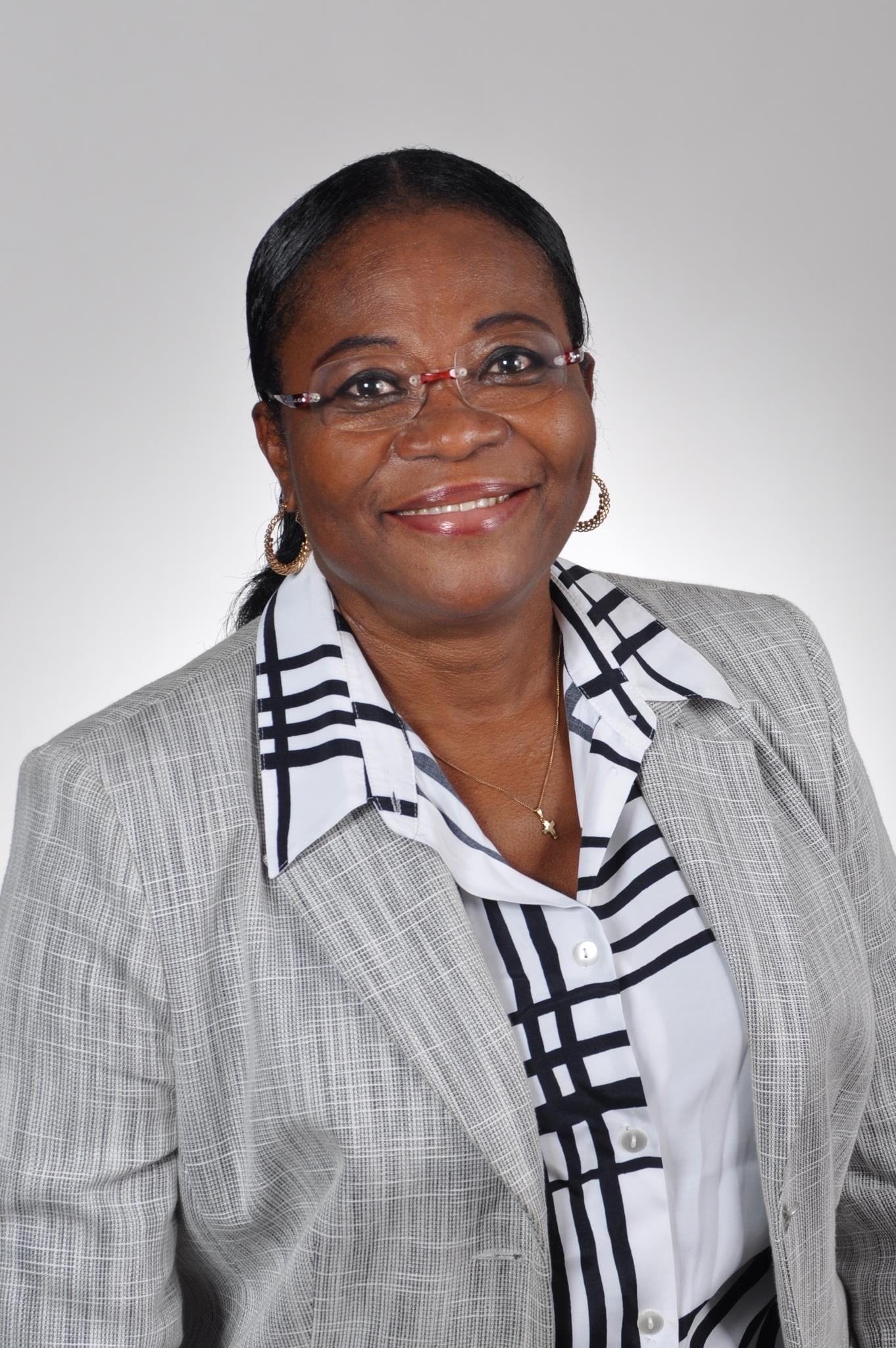
 Beatrice Groth
Journalism’s original responsibility is to protect the rights and interests of the society, acting as informant of the people, and to expose the ruling powers in areas of dereliction of duties.
Journalists operate in diverse socio cultural societies with differences in religion, culture, ethnicity, age, gender, language and so forth. Milica Pesic, the Executive Director of Media Diversity, in her lecture to the UEL students, argued that, ‘journalism has a strong and important role to play in tackling stereotypes and misinformation about ethnicity and religion by reporting in a professional manner’.
However, there are tendencies that good stories to the journalist, might lead to sensitivity, which could explode out of proportion and result to serious damages. A recent outrage about a publication in Europe, concerning a religious body, is arguably one of such examples. In his book Journalism and Society, Danis McQuail argued that, ‘there will always be some pressure to suppress information on grounds of potential harm and the acceptance of liability would be a path towards self-censorship, since truth is not always a sufficient defence’ (McQuail, D. 2013, p. 82).
Furthermore, by Milica’s advice, journalists on editorial pressure for news stories and deadline anxieties would need to seek approval before embarking on publication of stories that are deemed, “case sensitive.” In his book, Print Journalism: a critical introduction, Richard Keeble argued that, ‘journalists in the various sectors face very different ethical challenges – in other words, beyond the dominant consensus over news values in mainstream print publications lies an extraordinarily diverse and complex range of approaches across a number of sectors’ (Keeble, R. 2005, pp. 268-269).
Finally, journalists don’t makeup stories; they report issues as they happen, and with the zeal to convey information to the general public. Hence the press should not be attacked or reprimanded for doing their jobs.


 The Beaty Groth Show