
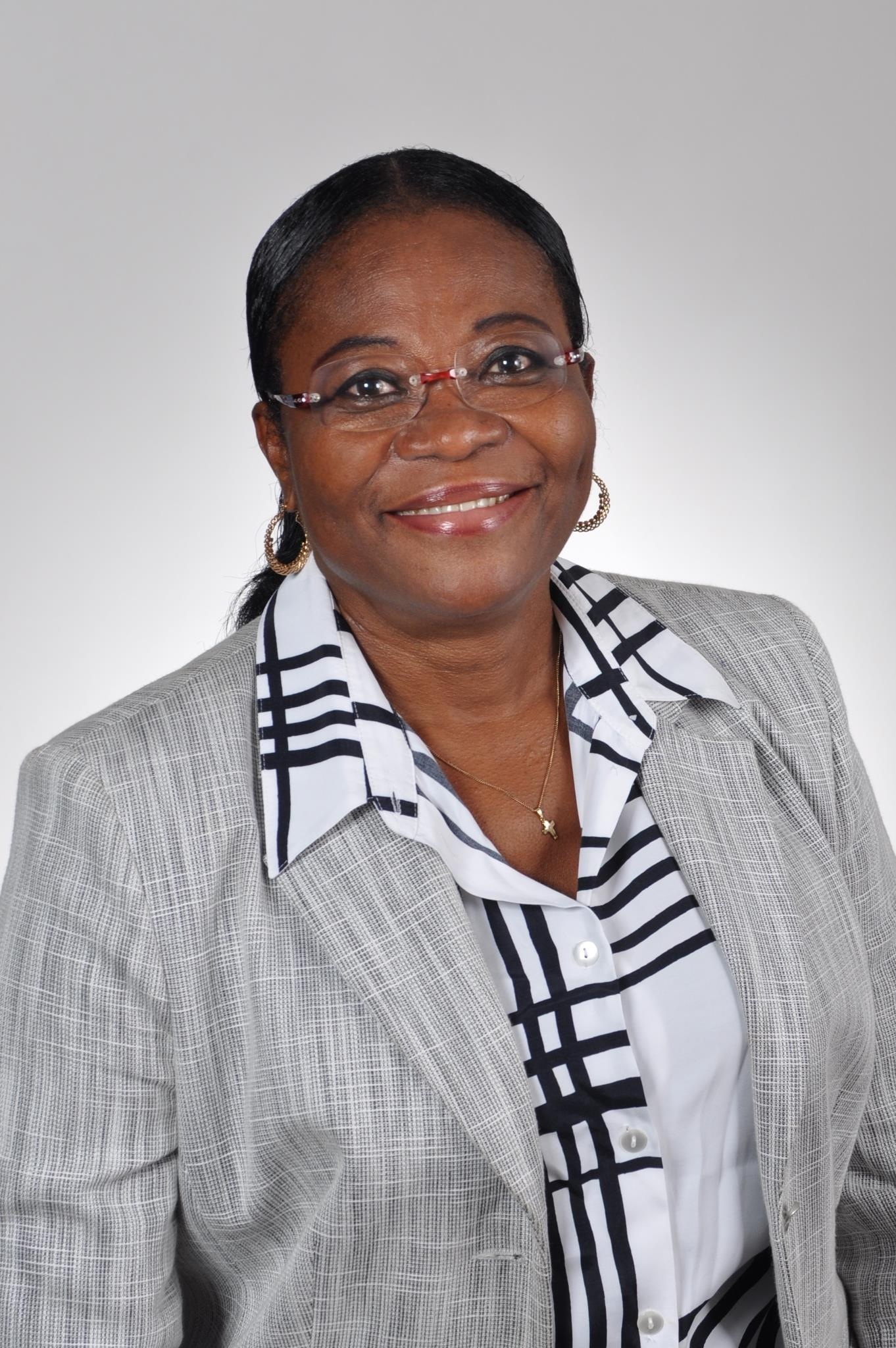
 Beatrice Groth
The question of, if, developing nations and indeed Africa, will ever be reported unbiased by the western journalists, is mind numbing. It leads to another question about what happens to all the western trainings about good journalism and ethical standards. (Starkey, G. 2007) argued that, ‘balance is the absence of bias and bias is the absence of balance – presenting a balance account would normally require impartiality, or at least adopting an objective, rather than a subjective position and remaining true to it.’
However, the preconception about happenings in Africa or other less developed nations, as “less important”, to their Western counterparts, is overdue for a change and worth looking into. Avoiding the risk of generalizing, a British born and former journalist with the BBC, Lara Pawson in her book, “In the Name of the People – Angola’s forgotten massacre”, gave a mind blowing account of the evils of the Fascist government of the Portugues slave masters, and the socialist government of the Movimento Popular de Libertacao de Angola (MPLA) People’s Movement for the Liberation of Angola. However, unlike many foreign journalists, Lara was more concerned about being different, sticking to truth, as she reported and wrote about Angolan war, without bias.
‘I feel all of a sudden rather alone – I am worried about how my research will be received by my friends and the political left. Several have already voiced their concerns, warning me not to play into the hands of the right – the implication being that any attempt to disrupt the established narrative on the vinte e set will do precisely that. I feel torn between the search for truth and my political beliefs, which I’m beginning to think, in itself, rather a luxury’ (Pawson, L. 2014).
In a lecture to the university of East London (UEL) students recently, Lara, who had worked and travelled round Africa, considered other British journalists who were sent to Angola before her, as people with “intentional blindness”. In other words, those who opted to describe what will suit the authority they work for, and or the government of their state, rather than sticking to the path of honourable journalism.
Finally, Lara’s lecture was encouraging, informing student journalists to desist from the journalism of attachment, follow the way of truth and report without prejudice.


 The Beaty Groth Show